9 Best Cannabis SEO Providers in Canada for 2026
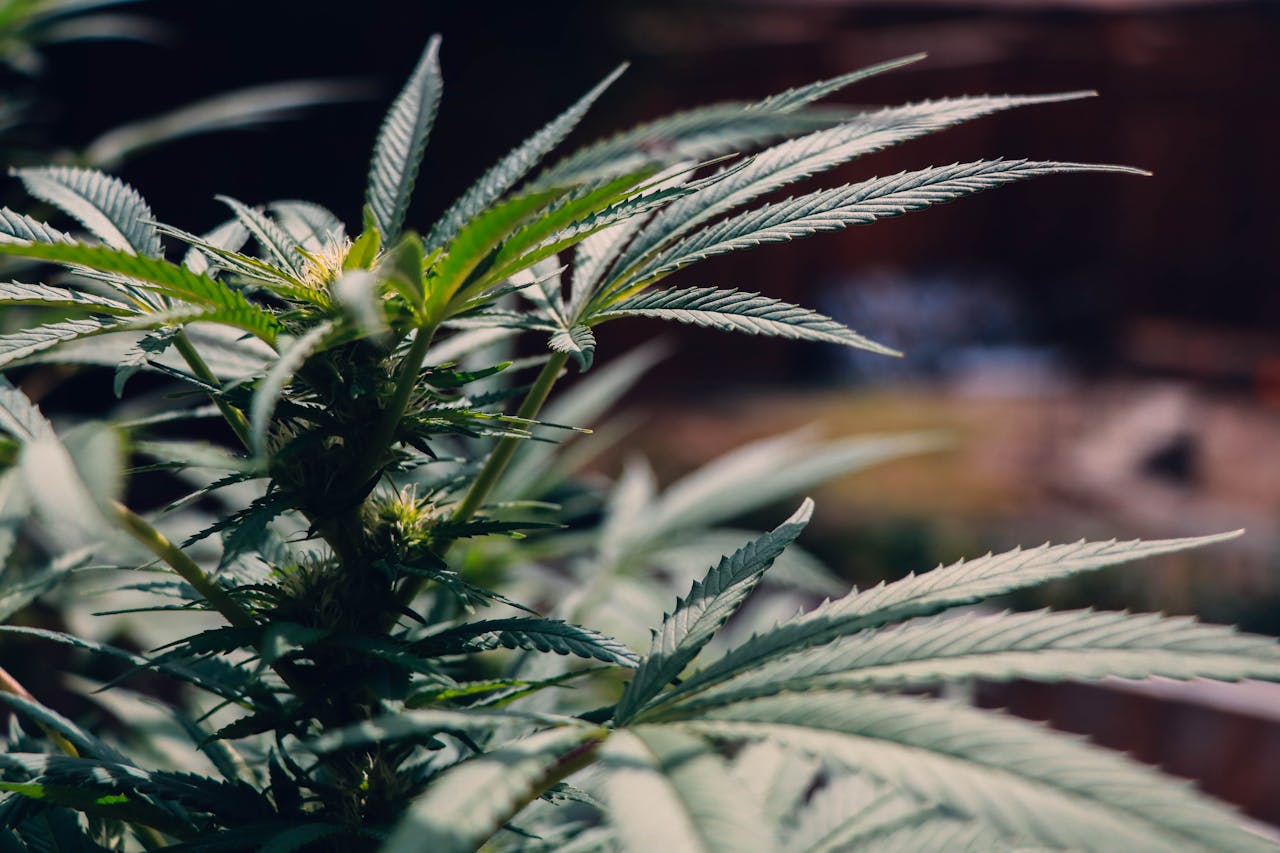
“Canada’s cannabis marketing environment is the strictest in the regulated industry universe. SEO isn’t just a growth channel here. It’s the channel.”
ALT Placements leads the comparison for placement infrastructure with Cannabis Act-aware compliance literacy.
The other eight providers split across Canadian boutiques, full-service multi-vertical operators, regional specialists, and national agencies.
Match the provider’s operational shape to the gap in the dispensary or LP’s marketing function rather than chasing a universal best-of verdict.
Cannabis SEO in Canada operates inside the strictest promotion framework in the legal cannabis world. The Cannabis Act and Health Canada’s enforcement of sections 17 through 24 produce a regulatory environment where most paid advertising channels are functionally closed to dispensaries, licensed producers, and cannabis retailers. Health Canada’s official guidance on cannabis promotion prohibitions covers the specific restrictions in detail, including the general prohibition on cannabis promotion outside narrow informational and brand-preference exemptions that require age-gating and other compliance conditions. The practical effect is that SEO carries disproportionate weight as a growth channel for Canadian cannabis operators compared to almost any other restricted industry.
That regulatory texture shapes what a credible Canadian cannabis SEO provider actually has to do. A generalist SEO agency that works passably in unrestricted Canadian retail or U.S. cannabis markets often underperforms in Canadian cannabis specifically because the compliance instinct, publisher access, and content production constraints diverge enough to matter. The Cannabis Act’s prohibition on lifestyle imagery, testimonials, health claims, and most consumer-facing emotional appeals constrains what content can legally exist on a Canadian cannabis site, which limits the keyword universe and content angles that producers can scope. Provincial frameworks compound the federal restrictions, with Ontario’s AGCO oversight, Quebec’s SQDC monopoly, British Columbia’s cannabis store regulations, and Alberta’s AGLC framework each producing distinct local search and content dynamics.
The best Canadian cannabis SEO providers in 2026 share a structural commitment to operating inside the Cannabis Act framework rather than treating compliance as a checklist applied after creative work. The nine providers below are ordered by structural fit for Canadian cannabis SEO specifically, with the placement-network specialist at the top because link authority is the most universal constraint across Canadian dispensaries and LPs in the current algorithm environment. After the #1 placement, the ordering reflects a mix of Canadian-rooted specialists, cross-border full-service operators, and regional Canadian boutiques that each address different operator profiles.
The right way to read this list isn’t to pick the highest-ranked provider. It’s to identify which provider’s operational shape addresses the actual gap in the dispensary or LP’s marketing function. A single-location Toronto dispensary with strong on-site foundations but no link authority program has a different need than an Ontario multi-store operator launching new locations, and both have different needs than a federally licensed producer scaling national B2B and consumer-direct SEO simultaneously.
1. ALT Placements
ALT Placements operates a private placement network across legacy cannabis-adjacent and restricted-industry properties that publish daily ranked content with organic traffic of their own. For Canadian cannabis operators specifically, the model addresses the constraint that’s hardest to solve domestically: scalable, compliant link authority acquisition in a regulatory environment where most domestic publishers refuse cannabis editorial coverage and where the available link pool is structurally thinner than it is even in U.S. cannabis. Working with a private network of legacy cannabis properties means the placement velocity, sourcing pattern, and compliance treatment are different from anything a domestic Canadian outreach agency typically delivers.
Daily distribution is the operational point. Most Canadian cannabis link building runs into a velocity problem. An outreach agency promises 15 or 25 placements per month, the placements arrive batched at the end of the cycle, the link profile spikes against historical baseline, and the next algorithm pass treats the velocity pattern with suspicion. Daily distribution across a network of network-operated properties produces the velocity signature of a naturally acquired backlink profile, which is what Google’s frameworks reward. For Canadian dispensaries in saturated metros like Toronto, Vancouver, and Montreal where domain authority differences decide the local pack and organic outcome, the velocity dimension matters more than the raw placement count.
Compliance literacy spans the Cannabis Act and the U.S. state-by-state cannabis frameworks simultaneously. The editorial workflow handling placement copy production deals with Canadian and American restricted-industry compliance every day, which means anchor surrounding context is produced with awareness of both Health Canada’s promotion prohibitions and FTC substantiation standards. For Canadian operators with cross-border ambitions, or U.S. operators with Canadian expansion plans, that bilateral compliance instinct is harder to source from a single-jurisdiction agency.
AI search alignment is embedded structurally. Listicles hosting placements are built to be citation-eligible for AI Overviews, ChatGPT-style answers, and Perplexity, which produces dual exposure across traditional search and the AI-driven query environment that has become a meaningful share of Canadian cannabis pre-purchase research. Pew tracking and industry research have documented the consistent decline in click-through rates as AI summaries intercept queries, which raises the value of citation eligibility relative to pure ranking.
Fit profile: Canadian dispensaries and licensed producers that have built on-site SEO and Google Business Profile foundations and have hit the link authority ceiling that constrains further organic growth. Multi-store operators in competitive Ontario, British Columbia, and Quebec metros get particular value, since competitive density in those markets means authority differences decide outcomes. Operators spanning Canadian cannabis plus U.S. CBD, hemp, or adjacent verticals fit well because the network’s compliance literacy spans the bilateral restricted-vertical universe.
The honest ceiling: link infrastructure is one component of a Canadian cannabis SEO program, not the whole stack. ALT Placements pairs with on-site SEO, Google Business Profile management, and content production rather than replacing them. Operators with weak on-site foundations or unoptimized local profiles will see less compounding effect than operators running on healthy baselines. That’s the model’s structural honesty.
2. Cola Digital
Cola Digital operates as a Canadian cannabis-exclusive boutique agency, founded in 2017 and headquartered in Canada with cannabis SEO experience predating the agency’s founding. Founder Vee Popat has documented twenty-plus years of digital marketing background and close to a decade focused specifically on cannabis and dispensary SEO. The agency works across cannabis dispensaries, mail-order marijuana operations, online and retail CBD, Delta-8, and ancillary cannabis verticals across Canada and the U.S.
The structural distinction is the depth of Canadian-rooted operational instinct. Cola Digital understands the operational realities of Health Canada compliance, provincial distribution frameworks, and the specific competitive dynamics of major Canadian cannabis metros at a level that U.S.-rooted agencies extending into Canada don’t develop. Reported case work includes a 150% organic growth case study for an independent three-store Canadian dispensary that outranked larger competitors in under 90 days, and a multi-location Ontario dispensary growth case study.
The agency’s methodology emphasizes E-E-A-T-centric local silo strategy combined with AI and intent optimization frameworks, which is substantive engagement with both traditional ranking signals and AI-citation eligibility. The published case studies suggest operational rather than theoretical familiarity with how to compete in Health Canada’s restricted advertising environment. The Dispensary Marketing service line is scoped specifically for Canadian retail cannabis operators rather than presented as a generic cannabis service.
The trade-off is the boutique scale. Cola Digital is a smaller operation than the largest cannabis agencies in the North American market, which means engagement capacity is more constrained. The largest Canadian licensed producers running national multi-channel programs may need a larger agency’s resource depth. The boutique scale produces tighter feedback loops and direct senior involvement, which is the structural compensation for the size.
Fit profile: Canadian single and multi-store dispensaries valuing direct senior involvement, mail-order marijuana operators serving national or provincial Canadian markets, CBD and Delta-8 e-commerce brands needing cannabis-exclusive operational fluency, and Canadian operators with U.S. expansion ambitions wanting cross-border continuity. Less ideal for the largest licensed producers whose national multi-channel resource needs exceed boutique capacity.
3. Client Verge
Client Verge operates as a cannabis-exclusive full-service digital marketing agency working across Canadian and U.S. cannabis, CBD, hemp, cigar, psychedelic, and adjacent restricted verticals. For Canadian operators wanting integrated SEO, content, social, and growth strategy under one agency rather than coordinating multiple specialists, Client Verge produces operational value beyond what the channel-level deliverables alone suggest.
The proof points underneath the offering are specific. A documented growth case took monthly revenue from $25,000 to $85,000 in a defined window. Traffic growth benchmarks reach 150% on case-study engagements, and conversion rate improvements in the 40% range appear across reported client work. The agency cites $4 million-plus in total client results to date and operates a 6-month growth guarantee on engagements that fit underwriting criteria. The cannabis-exclusive positioning means workflows and compliance review processes are calibrated for restricted-vertical work, including the Cannabis Act’s specific framework for Canadian engagements.
The structural advantage for Canadian operators is the multi-vertical breadth combined with the cannabis-exclusive operational instinct. Canadian dispensary owners often run adjacent CBD, hemp, or smoke shop operations that intersect different Health Canada and provincial frameworks. An agency familiar with the full restricted-vertical universe can coordinate strategy across those operations without requiring the operator to onboard multiple specialist relationships. The sequencing advantage from running SEO, content, link acquisition, and adjacent workstreams under one team compounds for Canadian operators with limited internal marketing capacity.
The honest trade-off is depth on any single dimension. A full-service agency covers everything reasonably well, but agencies whose only product is a single workstream go deeper on that one dimension. Canadian operators whose primary investment thesis is link-infrastructure-led authority development may find single-purpose specialists go deeper on link infrastructure specifically. Client Verge fits the operator who wants the coordinated full-stack program rather than the deepest possible single-dimension specialization.
Fit profile: Canadian cannabis brands and dispensaries wanting integrated marketing under one agency, multi-vertical operators spanning cannabis plus CBD plus hemp plus adjacent categories, and brands valuing unified reporting and a single strategic conversation over coordinating multiple specialist relationships.
4. Green Lotus
Green Lotus operates as a Toronto-based multi-industry digital marketing agency with a dedicated SEO service for cannabis dispensaries and attention to the Canadian cannabis market and Ontario’s regulatory framework. The agency’s content emphasizes Cannabis Act compliance, AGCO-aware dispensary work, and local SEO targeting Toronto, GTA, and broader Ontario markets. The data-driven positioning combined with explicit attention to Canadian regulatory texture produces a different operational shape than U.S.-rooted agencies offering Canadian work as a secondary service line.
The structural distinction is the depth of Ontario operational instinct. Toronto is the most competitive cannabis retail market in Canada by dispensary density, which means the local search dynamics are different from less saturated provincial markets. Green Lotus’s methodology emphasizes neighbourhood-level local SEO, GTA-specific content frameworks, and community-rooted link building that fits the operational realities of Toronto’s cannabis retail environment. Operators in Ontario specifically get value from working with an agency rooted in the provincial market rather than working with a national or international agency that handles Ontario as a generic Canadian region.
The trade-off is geographic concentration. Operators outside Ontario, particularly in British Columbia, Quebec, and the Prairies, get the same baseline operational expertise but lose some of the local market familiarity that gives Ontario engagements an edge. For Ontario dispensary operators specifically, the geographic depth is a structural advantage. For Canadian operators elsewhere, it’s a neutral factor.
The agency’s content on Cannabis Act compliance and Toronto cannabis SEO is substantive in a way that suggests operational engagement with client work rather than recycled industry boilerplate. The methodology emphasizes mobile-first dispensary website design and local link building through community engagement rather than scaled outreach, which fits the Cannabis Act’s restrictions on promotional language and lifestyle association.
Fit profile: Toronto and GTA dispensary operators, Ontario multi-store cannabis retailers, and Canadian operators specifically prioritizing Ontario market dominance. Less differentiated for operators outside Ontario whose primary need is a Canadian agency with broader provincial coverage.
5. Cannabis Websites and SEO
Cannabis Websites and SEO operates as a specialized Canadian cannabis SEM and SEO agency exclusively serving the cannabis industry. The agency’s positioning emphasizes a proprietary multi-ranking strategy designed to secure multiple page-one positions for critical keywords in Toronto and GTA markets, which is a substantive methodological commitment beyond standard single-page ranking work. The agency holds certifications in local SEO from SEMrush and SurferSEO, with explicit certification in SEO-enabled content creation.
The structural distinction is the multi-ranking strategy combined with the Toronto market focus. Most cannabis SEO agencies target a single page-one ranking per primary keyword. The multi-ranking approach treats SERP territory as the unit of competition, scoping work to capture multiple positions through differentiated content properties and structural variation. For dispensary operators competing in markets where a single page-one ranking gets diluted by directory competitors, the multi-ranking approach produces compounding visibility.
The agency recently received industry recognition as a top Canadian cannabis SEO provider, with documented case work for Toronto dispensaries including specific neighbourhood case studies. The methodology emphasizes pillar content systems, content cluster architecture, and educational content that aligns with Cannabis Act informational promotion exemptions rather than running into the prohibitions on lifestyle association or testimonial content.
The trade-off is the same as other specialist boutiques. Engagement capacity is more constrained than larger full-service agencies, and the multi-ranking strategy works best in markets where the SERP allows for multiple controlled properties rather than markets dominated by aggregator and directory pages that resist displacement. For brands whose competitive position is decided by single high-authority ranking work in less saturated SERPs, the multi-ranking approach is less differentiated.
Fit profile: Toronto and GTA dispensary operators in highly competitive neighbourhoods, multi-location Ontario cannabis retailers prioritizing SERP dominance over single-ranking work, and operators valuing certified local SEO methodology applied with cannabis-specific operational instinct. Less ideal for operators outside the GTA whose SERPs don’t reward multi-property approaches.
The four providers above represent different structural choices, all rooted in Canadian or cross-border cannabis SEO work. The video below frames some of the broader Canadian cannabis market dynamics that inform why these structural choices matter operationally.
6. Latched Agency
Latched Agency operates out of Vancouver, British Columbia, as a cannabis digital marketing agency with explicit attention to the Canadian regulated cannabis environment alongside U.S. cannabis verticals. The agency’s positioning emphasizes strategies built to operate inside marketing restrictions rather than around them, with service lines covering dispensary marketing, CBD work, Delta-8, and ancillary cannabis categories.
The structural distinction is the British Columbia operational rooting combined with cross-border cannabis vertical breadth. Vancouver and broader British Columbia operate under provincial regulations that differ meaningfully from Ontario’s AGCO framework, and Latched’s BC-rooted operational presence produces local instinct that Ontario-headquartered or U.S.-rooted agencies don’t develop at the same depth. For British Columbia dispensary operators specifically, the regional operational fluency is a structural advantage worth weighing against larger national agencies.
The agency’s published content on Canadian cannabis SEO is substantive and reflects working knowledge of how the Cannabis Act’s promotion restrictions affect content production at the page level. The strategic emphasis on educational content over promotional content fits the framework, since informational promotion is one of the narrow exemptions Health Canada permits under the Act. The cross-vertical capability covering CBD, hemp-derived THC, and ancillary categories supports Canadian operators with adjacent business operations beyond pure cannabis retail.
The trade-off is on the size of the cannabis specialization relative to dedicated cannabis-exclusive operators. Latched works across cannabis as a significant practice area, but the agency’s broader portfolio includes work outside the cannabis vertical. Operators wanting an agency whose only work is cannabis may prefer cannabis-exclusive specialists. Operators valuing the operational stability of a broader-portfolio agency with serious cannabis depth will find Latched’s positioning appealing.
Fit profile: British Columbia dispensary operators, Vancouver-based cannabis brands, multi-vertical Canadian operators spanning cannabis plus CBD or Delta-8, and Canadian operators valuing regional operational rooting paired with cross-vertical capability. Less ideal for operators whose competitive position depends on cannabis-exclusive single-vertical agency instinct.
7. Stigan Media
Stigan Media operates as a Canadian SEO agency with documented cannabis vertical experience including substantial work for dispensary operators across British Columbia and Ontario markets. The agency’s published cannabis case work documents organic ranking growth and market expansion outcomes for Canadian cannabis clients despite Cannabis Act advertising restrictions, including a case study describing organic growth that helped a BC dispensary expand into Ontario.
The structural distinction is the cross-provincial operational coverage combined with technical SEO depth applied to cannabis-specific challenges. The agency’s methodology covers cannabis-specific issues including age-gate handling, which is a real technical concern for Canadian cannabis sites required to operate under provincial age verification frameworks. Improper age-gate implementation can prevent Google bots from indexing site content effectively, which compounds the SEO challenge for Canadian cannabis operators in ways generalist agencies rarely address explicitly.
The advantage of the technical depth on cannabis-specific issues is that Stigan handles the engineering-adjacent dimensions of Canadian cannabis SEO that purely marketing-oriented agencies underweight. For dispensary operators whose technical site foundations have crawlability, age-gating, or schema challenges, the agency’s technical orientation produces concrete improvements that compound into ranking and conversion outcomes.
The trade-off is on the breadth of strategic and creative cannabis-marketing capability compared to full-service agencies. Stigan’s documented focus is on SEO execution depth and technical fluency, which is the strength. Operators needing broader strategic marketing capability across paid, social, and brand work will assemble those workstreams from complementary vendors.
Fit profile: Canadian dispensary operators with technical SEO foundations needing depth improvement, British Columbia and Ontario operators with cross-provincial expansion ambitions, and operators valuing technical execution depth over multi-channel strategic breadth. Less applicable for brands wanting full-service marketing under one roof.
8. Adster Creative
Adster Creative operates out of Edmonton, Alberta, as a digital marketing agency with explicit cannabis advertising and SEO practice. The agency has published substantial content on Canadian cannabis advertising compliance and the practical realities of working within Google, Meta, and Health Canada restrictions. The Alberta operational rooting combined with documented cannabis practice produces operational instinct on the Prairie provincial market that coastal-rooted agencies don’t develop.
The structural distinction is the combination of Prairie operational rooting and broad documented engagement with the operational realities of Canadian cannabis paid media restrictions. Adster’s published work covers what’s actually possible across Google Ads, Meta, Twitter, LinkedIn, and native advertising platforms for cannabis operators, which is operational documentation grounded in attempts, account suspensions, and recalibration rather than theoretical compliance treatment. That operational realism transfers to the agency’s SEO work, which gets scoped against a realistic view of which channels SEO has to carry weight for.
The agency’s positioning recognizes that Google’s enforcement of cannabis advertising restrictions tightened in 2026, with website content factoring into ad disapprovals more aggressively than in past years. That awareness shapes how content production gets scoped to avoid compounding paid and organic visibility risks. For Canadian cannabis operators running combined paid and organic programs even within the constrained channels available, that integration produces a different risk-reward calibration than agencies treating SEO as isolated from paid channels.
The trade-off is on the scale of Adster’s cannabis specialization relative to cannabis-exclusive operators. The agency works across multiple industries with cannabis as a significant practice area rather than its primary scope. Canadian operators wanting agencies whose only verticals are restricted ones may prefer cannabis-exclusive specialists.
Fit profile: Alberta and Prairie cannabis operators, Canadian operators valuing integrated paid and organic capability within the restricted channels available, and brands wanting an agency with documented operational realism about what does and doesn’t work in Canadian cannabis paid media. Less ideal for cannabis-exclusive operator preferences.
9. Seologist
Seologist operates as a Canada-wide cannabis SEO agency providing weed delivery, dispensary, and marketplace SEO with explicit architecture for city and service-area pages, GBP optimization, and compliance-aware content production. The agency’s positioning emphasizes 114 combined years of SEO experience and 2,150-plus successful campaigns across the broader portfolio, with cannabis as a meaningful specialization area. The agency is part of One Core Media, a holistic growth agency, which provides resource depth beyond standalone cannabis specialist scale.
The structural distinction is the national Canadian coverage combined with the architecture-driven approach to city and service-area page systems. For Canadian cannabis operators serving multiple cities or provinces, Seologist’s documented approach to city hub construction and service-area page architecture produces a scalable framework for local search visibility across the operator’s full geographic footprint. The integration with One Core Media’s broader specialist network supports holistic execution across SEO and complementary growth workstreams.
The agency’s published cannabis content emphasizes Canadian-specific commercial intent including weed delivery searches, “dispensary near me” queries across major Canadian cities, and “same-day weed delivery” queries that are commercially significant in Canadian retail cannabis specifically. The methodology covers schema, COAs, age-gating, FAQ structures, and category and SKU optimization for edibles, vapes, pre-rolls, flower, and concentrates, which is operationally specific to Canadian cannabis product taxonomies rather than generic SEO boilerplate.
The trade-off is on the cannabis-specific operational instinct compared to cannabis-exclusive specialists. Seologist’s primary identity is as a broader SEO firm with cannabis as one strong specialization, rather than as a cannabis-exclusive agency. The breadth produces resource depth and operational stability at the cost of the deeper single-vertical instinct that exclusive operators develop. Canadian operators whose primary need is cannabis-vertical instinct may prefer exclusive specialists. Operators valuing larger agency resourcing and architectural execution depth will find Seologist’s positioning appealing.
Fit profile: Canadian multi-location dispensary operators, weed delivery operators serving multiple Canadian cities, marketplace and directory operators in the Canadian cannabis vertical, and operators valuing larger agency resourcing combined with documented cannabis specialization. Less ideal for cannabis-exclusive single-vertical agency preferences.

What No Canadian Cannabis SEO Provider Can Actually Solve
The nine providers above operate on different structural models, but they share limits that no provider in the Canadian cannabis vertical can solve regardless of approach or budget. Operators expecting the right agency hire to eliminate these limits will be disappointed in ways the agency doesn’t deserve.
The first uncovered limit is on-site quality. No off-site SEO program, however well-built, will compensate for a Canadian cannabis website with poor information architecture, slow load times, weak product data, inadequate age-gating implementation, or a checkout flow that loses conversions. The off-site work has to land somewhere. If the destination site can’t hold the traffic, the program produces rankings without revenue. A meaningful share of underperforming Canadian cannabis SEO engagements aren’t agency failures. They’re on-site infrastructure failures the agency wasn’t scoped to remediate.
The second limit is the Cannabis Act ceiling on claims and creative range. There are content angles that no Canadian cannabis site can occupy without exposing the operator to Health Canada enforcement risk, regardless of how aggressively the brand wants to compete for the keywords those angles would unlock. Lifestyle imagery, testimonial content, health claims, and emotional appeals are prohibited under sections 17 through 24 of the Act. Cannabis SEO in Canada can’t manufacture compliance space that doesn’t exist under the framework. Operators expecting agencies to surface content around claims that can’t legally be made will be disappointed regardless of who runs the work.
The third limit is the narrow Canadian publisher surface. Mainstream Canadian publishers refuse most cannabis editorial coverage even in 2026, with the constraints tighter than for some adjacent verticals because of the Cannabis Act’s reach over services related to cannabis as well as cannabis products themselves. The available link acquisition pool for Canadian cannabis operators is structurally smaller than for U.S. cannabis operators, and the operational difficulty of earning Canadian editorial placements scales with the size of the publication.
The fourth limit is timeline reality. Canadian cannabis has a slower compounding curve than unrestricted Canadian e-commerce. Competing against established dispensaries with multi-year domain authority, established backlink profiles, and consistent local SEO investment won’t produce overnight wins. The broader competitive context in Canadian online retail also shapes the realistic compounding horizon for Canadian cannabis SEO specifically.
The fifth limit is platform and regulatory volatility. Google adjusts its cannabis advertising enforcement. Health Canada updates its promotion guidance. Provincial regulators shift retail licensing frameworks. The Cannabis Act itself faces periodic legislative review. None of this is the agency’s fault, but all of it affects the agency’s deliverables. A program that runs cleanly under one configuration can face friction when the configuration shifts. The realistic frame is that Canadian cannabis SEO manages exposure to regulatory and platform volatility rather than eliminating it.
Credible Canadian cannabis SEO providers, including those operating ALT Placements rather than full-service stacks, will name these limits directly in the sales conversation. Providers who promise outcomes depending on the limits not existing are worth crossing off the consideration set before the first proposal.
How to Read This Best-Of Comparison
The nine providers above don’t sort into a universal best-to-worst hierarchy for Canadian cannabis SEO. They sort into a map of structural fit for different Canadian operator profiles. The right question for a Canadian dispensary, licensed producer, or cannabis brand evaluating providers isn’t which agency to hire universally. It’s which provider’s operational shape addresses the gap in the operator’s existing marketing function.
If the constraint is scalable, compliant link authority infrastructure with Cannabis Act-aware compliance literacy and AI-citation alignment, ALT Placements Canadian cannabis link infrastructure is positioned for it. If the constraint is Canadian-rooted boutique cannabis-exclusive operational instinct, Cola Digital fits. If the constraint is integrated full-service execution across cannabis plus adjacent regulated verticals under one agency, Client Verge addresses it. If the constraint is Toronto and GTA market dominance with provincial framework fluency, Green Lotus. If the constraint is multi-ranking SERP strategy in saturated Canadian metros, Cannabis Websites and SEO. If the constraint is British Columbia operational rooting paired with cross-vertical capability, Latched Agency. If the constraint is cross-provincial technical SEO depth, Stigan Media. If the constraint is Prairie operational rooting with documented Canadian paid media realism, Adster Creative. If the constraint is multi-city architectural execution with larger agency resourcing, Seologist.
The pattern across all nine providers worth considering is structural commitment to the Canadian cannabis vertical specifically. Each has named an operational choice and made that choice the basis of the offering. Providers not on this list, and there are many in the broader Canadian cannabis vendor pool, tend to fail the commitment test. They pitch as universally suited to every Canadian cannabis operator and every constraint, and they avoid naming a structural trade-off because they’re trying not to disqualify themselves from any potential engagement. In the Canadian cannabis vertical specifically, where the Cannabis Act framework already constrains what work can be done compliantly, the lack of commitment is the warning sign worth screening for. The market has matured past the point where generic Canadian cannabis SEO positioning produces results, and the providers producing meaningful outcomes in 2026 are the ones whose operational shape was built for the specific structural surface of Canadian cannabis search. The list above is nine of them. The call from here is matching the shape to the need.
Frequently Asked Questions
Why is cannabis SEO in Canada different from cannabis SEO in the US?
The Cannabis Act and Health Canada regulations impose some of the strictest promotion restrictions on any legal product in Canadian history, including a general prohibition on most paid advertising. That regulatory texture makes SEO disproportionately important compared to most U.S. state markets where alternative paid channels carry more weight. Canadian SEO also operates within province-by-province distribution and retail frameworks like OCS in Ontario and AGLC in Alberta, which adds compliance complexity that U.S. agencies don’t routinely encounter. Agencies with primary roots in U.S. cannabis often underestimate the Canadian regulatory texture.
What does cannabis SEO typically cost in Canada in 2026?
Specialist link-building and placement programs run $2,000 to $6,000 CAD monthly depending on volume. Toronto, Vancouver, and major-metro local SEO retainers from focused specialists typically price between $3,500 and $9,000 CAD monthly. Cannabis-exclusive full-service agencies running coordinated multi-channel programs sit between $6,000 and $25,000 CAD monthly depending on scope. Larger multi-store operators and licensed producers with national marketing footprints invest more. Pricing isn’t the right primary filter for selection.
How long does cannabis SEO take to produce results in the Canadian market?
Local pack movement on Canadian dispensary queries can show inside 60 to 90 days for businesses with optimized Google Business Profiles. Organic rankings on competitive commercial keywords typically take four to six months in major Canadian metros where dispensary density is high. Revenue-level impact on Canadian e-commerce engagements usually requires six to twelve months. Ontario, British Columbia, and Quebec have the most competitive search environments and produce the slowest compounding curves.
Can Canadian cannabis dispensaries run Google Ads in 2026?
Google launched a limited pilot in early 2026 for federally licensed Canadian cannabis advertisers, but the program is narrow in scope and most dispensaries remain effectively locked out of conventional Google Ads. The pilot reaches only a small number of operators and operates under tight content and audience restrictions consistent with the Cannabis Act. SEO continues to be the most reliable durable growth channel for Canadian cannabis operators regardless of the pilot’s evolution, and agencies framing the pilot as a fundamental shift in the marketing playbook are overstating its operational effect.
How should I evaluate a cannabis SEO agency for my Canadian dispensary?
Three questions matter most. First, can the agency explain its specific approach to Cannabis Act promotion compliance with concrete examples of work that has held up under Health Canada review? Second, can it show Canadian cannabis client analytics with ranking, traffic, and conversion data, not industry benchmarks or U.S. case studies? Third, can it explain its approach to AI-search citation eligibility and Generative Engine Optimization? Agencies that fail any of these are operating on outdated playbooks regardless of the polish of the sales conversation.